Essential Building Maintenance Tips for Commercial Properties
Maintaining a commercial property is not just about keeping the lights on and the doors open. It involves a comprehensive approach to ensure safety, functionality, and aesthetic appeal. Neglecting maintenance can lead to costly repairs, decreased property value, and even safety hazards. This blog post will provide essential building maintenance tips that every property manager or owner should consider to keep their commercial spaces in top shape.
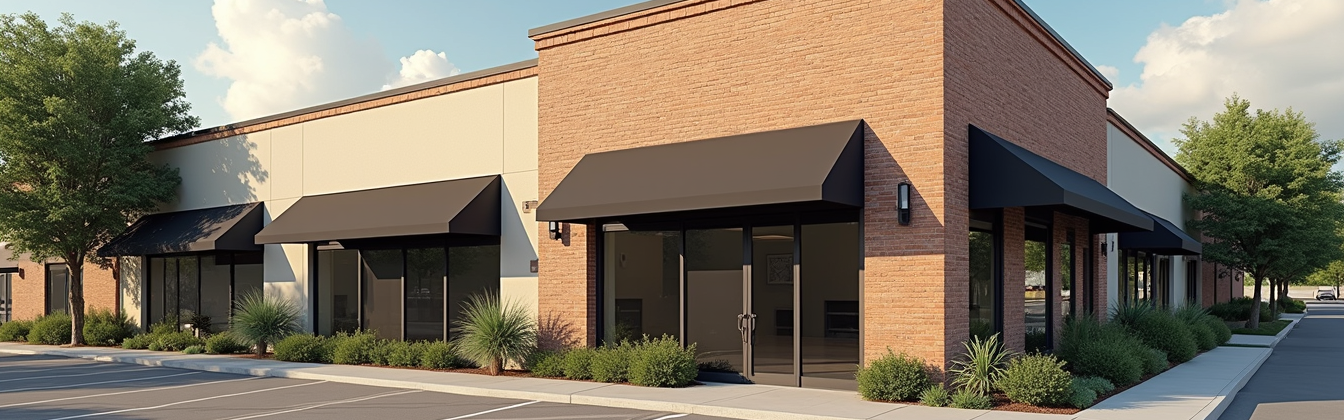
A well-maintained commercial building showcasing clean lines and vibrant landscaping.
Understanding the Importance of Building Maintenance
Building maintenance is crucial for several reasons:
- Safety: Regular maintenance helps identify and rectify potential hazards, ensuring the safety of employees and visitors.
- Cost Efficiency: Proactive maintenance can prevent costly repairs down the line. Addressing minor issues before they escalate can save significant amounts of money.
- Property Value: A well-maintained property retains its value better than one that is neglected. This is particularly important if you plan to sell or lease the property in the future.
- Aesthetic Appeal: First impressions matter. A clean and well-maintained building attracts tenants and customers alike.
Regular Inspections
One of the most effective ways to maintain a commercial property is through regular inspections. These inspections should cover various aspects of the building, including:
- Roofing: Check for leaks, missing shingles, or signs of wear. A damaged roof can lead to significant water damage and mold growth.
- HVAC Systems: Ensure that heating, ventilation, and air conditioning systems are functioning properly. Regular filter changes and system checks can improve efficiency and air quality.
- Plumbing: Look for leaks, clogs, or signs of corrosion in pipes. Early detection can prevent extensive water damage.
- Electrical Systems: Inspect wiring, outlets, and circuit breakers for any signs of wear or malfunction. Faulty electrical systems can pose serious safety risks.
Creating a Maintenance Schedule
A well-structured maintenance schedule is essential for keeping your property in good condition. Here’s how to create one:
- Identify Key Areas: Determine which areas of your property require regular maintenance. This includes landscaping, parking lots, and common areas.
- Frequency of Maintenance: Decide how often each area needs to be inspected or serviced. For example, HVAC systems may require quarterly checks, while landscaping might need monthly attention.
- Assign Responsibilities: Designate team members or hire professionals to handle specific maintenance tasks. Clear responsibilities ensure that nothing falls through the cracks.
- Document Everything: Keep records of all maintenance activities, including dates, tasks completed, and any issues found. This documentation can be invaluable for future reference.
Landscaping and Exterior Maintenance
The exterior of your commercial property is the first thing clients and customers see. Maintaining the landscape and building exterior is vital for creating a positive impression. Here are some tips:
- Regular Lawn Care: Mow the lawn regularly, trim hedges, and remove weeds. A well-kept lawn enhances curb appeal.
- Seasonal Clean-Up: In the fall, remove leaves and debris. In the spring, check for any winter damage and prepare the landscape for the growing season.
- Pressure Washing: Clean sidewalks, parking lots, and building exteriors to remove dirt, grime, and stains. This can significantly improve the appearance of your property.
- Lighting: Ensure that outdoor lighting is functional and well-maintained. Good lighting enhances safety and security.
Interior Maintenance
While the exterior is important, the interior of your commercial property also requires attention. Here are some key areas to focus on:
- Flooring: Regularly clean and maintain flooring surfaces. Depending on the material, this may involve vacuuming, mopping, or polishing.
- Walls and Ceilings: Inspect for cracks, peeling paint, or water stains. Addressing these issues promptly can prevent further damage.
- Restrooms: Keep restrooms clean and well-stocked with supplies. Regular checks for plumbing issues are essential to maintain hygiene.
- Common Areas: Ensure that lobbies, break rooms, and other common areas are clean and inviting. This enhances the overall experience for employees and visitors.
Safety and Compliance
Maintaining safety standards is non-negotiable in commercial properties. Here are some essential safety measures:
- Fire Safety: Ensure that fire alarms, extinguishers, and sprinkler systems are regularly inspected and maintained. Conduct fire drills to ensure everyone knows the evacuation procedures.
- Emergency Exits: Keep emergency exits clear and well-marked. Regularly check that exit signs are illuminated and functioning.
- Accessibility: Ensure that your property complies with accessibility standards. This includes ramps, elevators, and designated parking spaces for individuals with disabilities.
- Pest Control: Implement a pest control plan to prevent infestations. Regular inspections can help identify potential issues before they become serious.
Energy Efficiency
Improving energy efficiency not only reduces costs but also benefits the environment. Here are some strategies to consider:
- Upgrade Lighting: Replace traditional bulbs with energy-efficient LED lighting. This can significantly reduce energy consumption.
- Insulation: Ensure that your building is properly insulated to maintain temperature and reduce heating and cooling costs.
- Smart Thermostats: Install smart thermostats to optimize heating and cooling schedules based on occupancy.
- Energy Audits: Conduct regular energy audits to identify areas for improvement. This can help you make informed decisions about upgrades and changes.
Hiring Professional Help
While some maintenance tasks can be handled in-house, others require professional expertise. Here are some situations where hiring professionals is advisable:
- Roof Repairs: Roof work can be dangerous and complex. Hiring a professional ensures that the job is done safely and correctly.
- HVAC Maintenance: HVAC systems require specialized knowledge for repairs and maintenance. Professionals can ensure that systems are running efficiently.
- Electrical Work: Any electrical issues should be handled by licensed electricians to ensure safety and compliance with regulations.
- Pest Control: Professional pest control services can effectively address infestations and prevent future issues.
Budgeting for Maintenance
Creating a budget for building maintenance is essential for long-term planning. Here are some tips for effective budgeting:
- Assess Current Expenses: Review past maintenance costs to identify trends and areas for improvement.
- Plan for the Unexpected: Set aside a contingency fund for unexpected repairs or emergencies.
- Prioritize Projects: Determine which maintenance tasks are most urgent and allocate funds accordingly.
- Track Spending: Keep detailed records of all maintenance expenses to help inform future budgets.
Conclusion
Maintaining a commercial property is an ongoing process that requires attention to detail and proactive planning. By implementing regular inspections, creating a maintenance schedule, and focusing on both interior and exterior upkeep, property owners can ensure their buildings remain safe, functional, and appealing. Remember, a well-maintained property not only enhances the experience for tenants and visitors but also protects your investment for years to come.
Take the first step today by reviewing your current maintenance practices and identifying areas for improvement. Your property—and its occupants—will thank you.